Uncover the Benefits of Radiofrequency Ablation: A Modern Approach for Discomfort Relief
Radiofrequency Ablation (RFA) is becoming a substantial alternative for those experiencing persistent discomfort. This non-invasive intervention blocks neural transmissions to offer sustained relief, especially for ailments like arthritis and back pain. As patients look for alternatives to standard discomfort control approaches, comprehending RFA's workings and benefits grows crucial. What factors influence its effectiveness, and who benefits most from this innovative strategy? The answers may surprise many.
Chronic Pain: An Summary of Effective Treatment Alternatives
What are the most effective methods for managing chronic pain? Multiple treatment options exist, each tailored to individual needs. Medications, including non-copyrightal anti-inflammatory drugs (NSAIDs) and opioids, are commonly prescribed to alleviate discomfort. Physical therapy plays an essential role in rehabilitation, helping to improve mobility and strength. Cognitive-behavioral therapy (CBT) tackles the psychological aspects of pain, enabling patients to develop coping strategies. Alternative therapies such as acupuncture and massage offer additional avenues for relief, often enhancing conventional treatment effectiveness. Changes in daily habits, including regular exercise and a balanced diet, add considerably to overall well-being. Combined therapy methods, merging multiple therapies, have shown promise in managing chronic pain effectively. In the end, a thorough, patient-centered plan is vital, allowing for ongoing assessment and adjustment to guarantee ideal outcomes. By considering these diverse methods, individuals can find a tailored approach that best suits their chronic pain management needs.
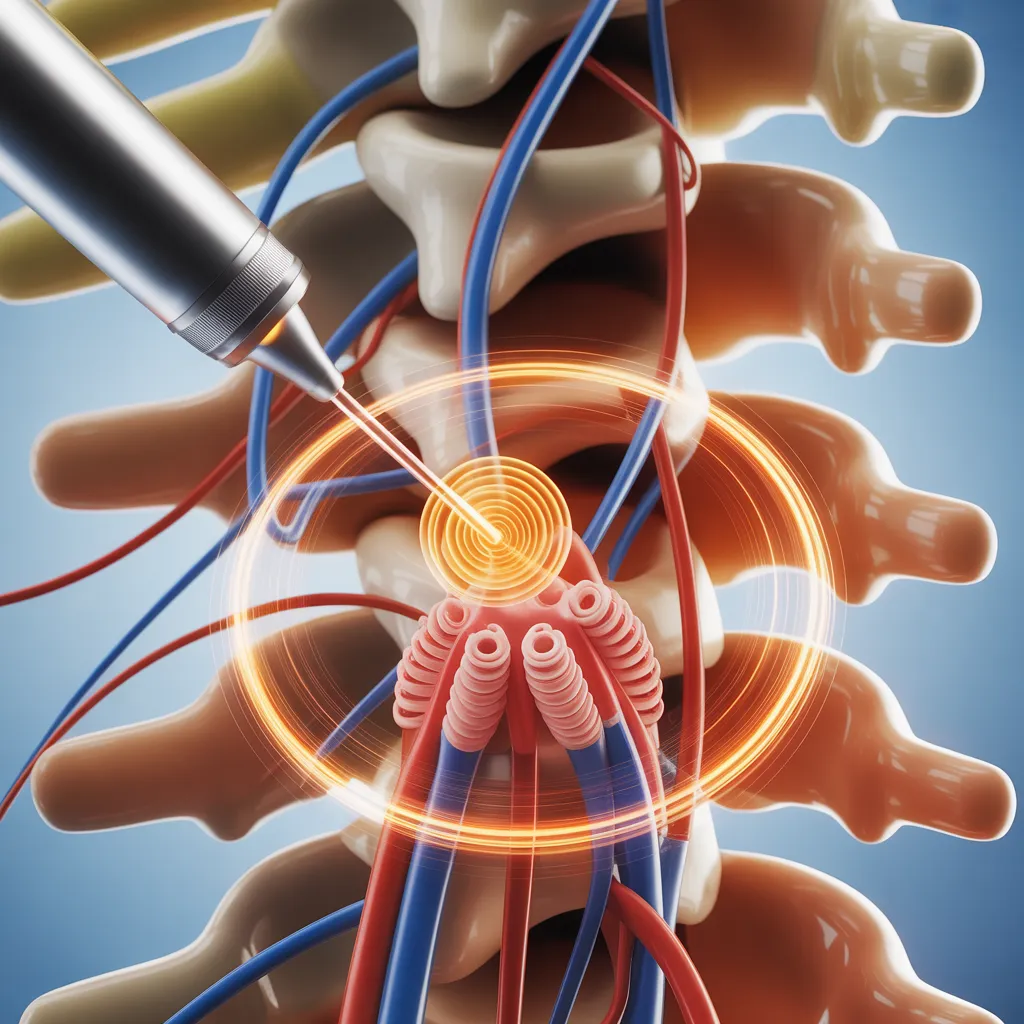
Learning about Radiofrequency Ablation methods
Radiofrequency ablation (RFA) serves as a minimally invasive intervention aimed to diminish long-term pain by interfering with neural transmissions. This approach makes use of RF waves to create heat, which concentrates on targeted nerves responsible for conveying pain. RFA is regularly utilized as an choice for patients who have not obtained relief through traditional pain management methods, such as pharmaceuticals or therapeutic exercises.
The procedure is commonly performed in an outpatient setting, permitting people to head home the same day. People are generally under sedation, and the area is numbed to limit discomfort. RFA has applications in diverse types of ache, including back, neck, and joint pain, making it a adaptable tool in pain management.
How Does Radiofrequency Ablation Function for Pain Relief?
How successfully does radiofrequency ablation interrupt pain signals? This advanced technique employs radiofrequency energy to produce heat, precisely targeting nerve tissues accountable for transmitting pain. By carefully applying this heat, radiofrequency ablation disrupts the integrity of these nerves, reducing their ability to send pain signals to the brain. The procedure is typically conducted under local anesthesia, allowing for reduced discomfort while ensuring patient safety.
Once the targeted nerves are removed, patients often feel notable improvement from chronic pain issues. The outcomes can remain for prolonged timeframes including months or years, depending on individual circumstances. Additionally, radiofrequency treatment can be adapted to multiple body regions, enhancing its adaptability in pain management. This technique not only delivers a means of pain relief but also aims to improve overall quality of life, enabling individuals to take part more fully in routine tasks and regain a sense of normalcy.
What Ailments Is RFA Able of Helping With?
Prolonged soreness can arise out of various conditions, and radiofrequency ablation (RFA) has emerged as a beneficial therapeutic option for many of them. This minimally invasive procedure is especially successful for patients dealing with arthritis, facet joint pain, and herniated discs. RFA focuses on particular nerve fibers responsible for transmitting pain signals, offering relief for those with long-term lower back soreness and neck pain.
Additionally, people with conditions such as spinal stenosis and complex regional pain syndrome may gain advantages from RFA. It has also shown effectiveness in treating certain types of cancer-related pain, improving the quality of life for patients. By interrupting the nerve function that causes pain, RFA can provide sustained relief, allowing individuals to regain mobility and improve daily activities. As research moves forward, the range of conditions that RFA can address may broaden, offering hope for many in chronic pain.
Advantages of Radiofrequency Ablation for Managing Pain
Radiofrequency ablation (RFA) delivers multiple benefits in pain control, primarily due to its minimally invasive character. Patients often experience long-lasting pain relief, which can significantly improve their quality of life. These benefits make RFA an appealing option for those pursuing efficient pain management.
Minimally Invasive Procedure Merits
A growing number of patients seeking pain management are increasingly opting for radiofrequency ablation because of its less invasive nature. This procedure involves the use of heat to targeted nerves, effectively disrupting pain signals without the need for major surgical intervention. In turn, patients typically experience reduced recovery times and less postoperative discomfort compared to traditional surgeries. Further, the smaller incisions reduce scarring and decrease the likelihood of infection. Radiofrequency ablation can be conducted on an outpatient basis, permitting individuals to return home the same day. This accessibility and reduced physical trauma make it an appealing option for individuals looking to manage chronic pain effectively. All in all, its less invasive characteristics greatly support patient satisfaction and enhanced quality of life.
Long-Lasting Discomfort Alleviation
While various pain management strategies exist, radiofrequency ablation excels for its ability to deliver prolonged relief. This innovative procedure targets distinct nerves that carry pain signals, effectively interrupting their operation. The outcome is a substantial reduction in pain, frequently persisting for months or even years. Unlike conventional pain medications, which may necessitate continuous use and can result in unwanted side effects, radiofrequency ablation offers a more sustainable solution by addressing the underlying source of pain. Patients frequently report improved mobility and decreased reliance on medication, strengthening their overall pain management strategy. By minimizing discomfort for extended periods, radiofrequency ablation functions as a valuable option for individuals looking for enduring relief from chronic pain conditions.
Enhanced Quality of Life
The capacity to substantially reduce soreness can bring about remarkable advancements in a patient's quality of life. Radiofrequency ablation (RFA) not only reduces discomfort but also enhances everyday performance and emotional well-being. Patients frequently report enhanced mobility, allowing them to partake in hobbies they once enjoyed, including exercise, meeting others, and hobbies. As discomfort subsides, anxiety and depression related to chronic pain regularly decrease, encouraging optimism. Moreover, enhanced sleep typically follows pain reduction, further improving overall health. By treating the underlying cause of discomfort, RFA allows individuals to take back control, promoting growth both personally and professionally. In the end, this cutting-edge therapy supports a fresh sense of independence and contentment.
Is RFA Right for You as a Good Applicant?
Establishing candidacy for radiofrequency ablation involves several important considerations. Medical background, the length of pain, and results from previous interventions all serve critical roles in evaluating appropriateness. Understanding these components can assist individuals take informed decisions about their pain control options.
Medical History Examination
Before having radiofrequency ablation (RFA), it is crucial to conduct a thorough evaluation of medical history to determine suitability for the procedure. Healthcare providers consider various factors, including existing medical conditions, prior surgeries, and current medications. Conditions such as diabetes, heart disease, or bleeding disorders may influence the decision. Moreover, a history of chronic pain or unsuccessful previous treatments can provide insight into possible outcomes. Patients should inform any allergies or sensitivities to anesthesia, as these can impact procedural safety. Also, knowing a patient's overall health status contributes to determining the likelihood of complications. This detailed assessment guarantees that RFA is the right choice tailored to the individual's specific needs and health profile, maximizing the potential for effective pain relief.
Assessment of Pain Timeline
Pain duration is an important factor in assessing candidacy for radiofrequency ablation (RFA). Candidates often exhibit chronic pain lasting longer than three months, since acute pain generally is better managed with other treatments. Assessing the duration helps healthcare providers evaluate the underlying cause and its progression. Individuals with persistent pain often experience a decreased quality of life, making them more likely to benefit from RFA. Furthermore, understanding pain duration aids in establishing realistic expectations regarding treatment outcomes. A full assessment ensures that patients are physically and psychologically ready for the procedure. Ultimately, precise evaluation of pain duration is critical for identifying suitable candidates for RFA, thereby promoting effective management of chronic pain conditions.
Prior Treatment Outcomes
Many individuals considering radiofrequency ablation (RFA) have often completed multiple therapies prior to contemplating this alternative. These treatments may consist of physiotherapy, medication, and even surgical interventions, with varying levels of effectiveness. Analyzing the results of these previous therapies is essential in assessing candidacy for RFA. Individuals who suffer from limited improvement or prolonged pain despite other therapies may find RFA particularly advantageous. Additionally, people with a clear identification of the origin of pain are more probable to achieve positive results. Assessing previous treatment results assists healthcare providers comprehend the individual's history of pain, guiding them in developing a tailored approach. Ultimately, unsuccessful prior treatments may suggest a considerable possibility see here that RFA could provide the wanted improvement.
Understanding Your RFA Procedure Outlook
When individuals get ready for their radiofrequency ablation (RFA) treatment, understanding what to expect can greatly reduce worry. The process usually begins with a meeting where the doctor reviews the individual's health background and objectives for pain relief. On the date of the treatment, patients are typically instructed to refrain from food and beverages for a few hours prior.
During the RFA, individuals are placed at ease, and local anesthetic is applied to reduce pain. The doctor employs imaging technology to precisely position the electrode, transmitting regulated RF energy to targeted nerves. Patients may experience a momentary feeling during the ablation.
After the treatment, patients can anticipate some discomfort, which is typically manageable with over-the-counter pain relief. Healing periods vary, but many people return to normal activities within a few days. Overall, establishing practical goals can lead to a more positive experience and enhance the effectiveness of the treatment.
Popular Inquiries Asked Regularly
What Is the Recovery Time After a RF Ablation Procedure?
The recovery duration following radiofrequency ablation usually takes a few days to a couple of weeks. Patients tend to resume regular activities within a week, though personal recovery differences may depend on circumstances.
What Side Effects Might Be Related to RFA Therapy?
Yes, radiofrequency ablation may cause side effects, including discomfort at the procedure area, inflammation, contusions, or temporary neural injury. Most effects are minor and disappear rapidly, but individuals should discuss concerns with their healthcare provider.
What duration of Pain Relief Can You Expect From RFA generally?
Pain alleviation from radiofrequency ablation typically lasts from several months to over a year, depending on individual factors such as the type of pain, underlying conditions, and the patient's reaction to the procedure.
Can One Repeat RFA Procedure if Symptoms Come Back?
Yes, RF ablation can be repeated if discomfort recurs. Physicians often evaluate the patient's status before moving forward with additional treatments, guaranteeing that the treatment remains a viable option for ongoing pain management and relief.
Does Insurance Plans include RFA treatment?
Radiofrequency ablation (RFA) is widely covered by several insurance organizations, but coverage may fluctuate based on the policy and medical necessity. It is advisable for patients to confirm specifics with their insurance provider.