Develop Your Optimal Birth Experience Using Our Bespoke Birth Plan Template
Creating a delivery plan is an crucial step in preparing for childbirth. It offers clarity on choices and fosters communication with medical professionals. A properly organized template can simplify this process, ensuring that vital elements are not overlooked. This approach not only reduces anxiety but also supports partners and family members. Comprehending the key components of a birth plan can make a significant difference in the overall experience. What should one consider when crafting their plan?
Why a Birth Plan Matters: Essential Benefits
Developing a delivery strategy reflects the foundation of arrangement and confidence. This outline works as a roadmap for expectant parents, outlining their preferences and needs for the labor and delivery experience. One key benefit is better communication between the birthing person and healthcare providers, confirming that everyone is in agreement on the planned course. Furthermore, a birth plan helps to alleviate anxiety by providing a feeling of command over the birthing process, enabling individuals to focus on the experience rather than unease.
In addition, creating a birth plan facilitates informed decision-making, as parents often study their options in advance. This planning fosters a empowering atmosphere, as partners and support teams can better advocate for the birthing individual's wishes. Ultimately, a well-crafted birth plan not only strengthens the overall experience but also promotes a beneficial emotional result, making it an essential component of the journey into parenthood.
Critical Factors for Your Birth Plan: What to Cover
A detailed birth plan should encompass multiple crucial elements that demonstrate the preferences and values of the expectant parents. Important components consist of the birthing environment, such as choices for a hospital, birth center, or home birth, along with preferred support persons. Expectant parents should detail pain relief choices, detailing choices for natural methods or pharmaceutical interventions.
Additionally, the plan needs to factor in labor requests, such as mobility during labor, positions for delivery, and the use of instruments like birthing balls or water. It is also necessary to include post-birth wishes, including skin-to-skin contact, cord clamping, and newborn procedures.
In conclusion, soon-to-be mothers and fathers should weigh contingencies for unforeseen events, such as cesarean delivery or complications. By strategically incorporating these features, expectant parents can formulate a detailed birth plan that operates as a roadmap for their birthing experience.
Steps to Use Our Custom Birth Plan Template
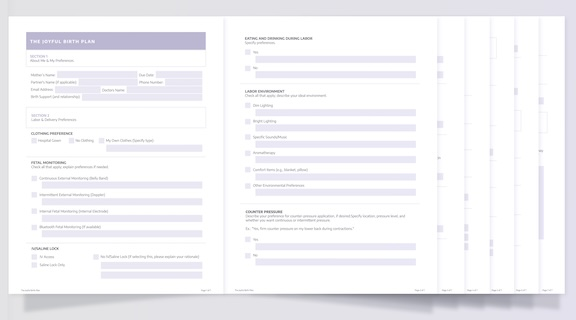
Preparing for childbirth may feel daunting, though a custom birth plan template streamlines the process by supplying a structured format for expectant parents to express their preferences. To begin, parents should assemble essential information, including their medical history and any unique requests related to labor and delivery.
Next, they can fill out the template, covering key areas such as pain management options, preferred support persons, and post-delivery care. It's vital to be clear and direct, making certain healthcare providers understand their wishes.
After finishing, parents should examine the birth plan with their medical professionals to verify agreement. This joint conversation resolves any uncertainties and promotes a nurturing setting.
Ultimately, it is prudent for expecting parents to store the childbirth plan in an easy to access manner and convey them to their support team, ensuring that everyone present remains informed and equipped for the birthing experience.
How to Reconfigure Your Birth Plan for Surprising Occurrences
Developing a birth plan that adjusts to unexpected situations needs a mindset of flexibility and adaptability. Clear communication with the medical professionals is important to handle any adjustments that might happen during labor. Through preparing for the unexpected, individuals can hold onto a sense of control and care throughout the birthing process.
Adopt Versatility And Adaptability
Understanding that childbirth can be changeable, many expectant parents find it important to stay adaptable with their birth plans. Situations may change quickly, requiring changes to original preferences. For instance, unexpected medical conditions or alterations in the child's positioning can necessitate different procedures. Acknowledging this reality allows caregivers to focus on the overall experience rather than specific outcomes. Accepting adaptability means recognizing that the delivery process can still be satisfying, even if it strays from the original plan. Individuals are motivated to develop psychological readiness for various scenarios, fostering a perspective that stresses see the details wellness and protection over rigid expectations. Finally, flexibility can enhance the birthing experience, allowing individuals to manage their unique situation with confidence and ease.
Coordinate With Your Team
Clear communication with the birthing team is critical for managing unexpected situations during labor. A well-prepared birth plan should include clear guidelines for preferences but remain amenable to adjustments based on circumstances. It is vital for the birthing person to express their needs and concerns, ensuring that the team understands their priorities. Regular check-ins can promote this dialogue, allowing for real-time updates and decisions. Additionally, using simple language and asking questions can help clarify any uncertainties. The birthing team should also be encouraged to share their observations and recommendations, fostering a collaborative atmosphere. By maintaining an open line of communication, the birthing person and their team can pivot effectively, ensuring a supportive environment despite unforeseen changes.
How to Communicate Your Birth Plan With Your Healthcare Team?
Although providing a birth plan may seem complex, it is vital for establishing that a healthcare team grasps a patient's preferences and needs during labor and delivery. To commence this process, the patient should book a dedicated appointment with their healthcare provider to examine the birth plan in detail. This allows for an direct discussion where questions can be clarified and adjustments made.
Providing a documented copy of the birth plan is essential, as it acts as a physical reference for the team. Patients may also consider sharing the plan with the hospital staff upon admission, ensuring that all involved are aware of their wishes. Additionally, consulting about the plan with a partner or support person can help reinforce communication and advocacy during labor. Ultimately, proactive sharing of the birth plan boosts collaboration and enhances the likelihood of a successful birth experience.
Following Steps After Finalizing Your Plan
After the birth plan has been established and discussed with the healthcare team, the next steps require executing your preparations. The expectant parents should guarantee that all necessary items for the hospital or birthing center are organized, including personal comfort items and any specific tools outlined in the plan. It is also important to share the birth plan to support persons, making sure everyone is clear about their roles during labor and delivery.
Furthermore, guardians need to book any final consultations with healthcare providers to address any questions or concerns. Taking part in childbirth education classes can also be worthwhile, providing insights that align with the birth strategy.
Ultimately, maintaining flexibility is necessary, as conditions could shift unanticipated. Continuously examining and deliberating about the plan with the medical team can help assure that everyone remains aligned on the family's inclinations, encouraging a supportive environment during the delivery event.

Common Questions Posed Regularly
May I update My Birth Plan after It's Created?
Yes, a birth plan can be changed after its creation. Adaptability is essential as situations change. Individuals are encouraged to discuss any changes with their healthcare team to ensure everyone is aligned with their wishes.
What if My Birth Plan Conflicts With Medical Recommendations?
If a delivery plan disagrees with professional guidance, it's indispensable to communicate concerns with doctors and nurses. Prioritizing wellness and safety may require adjustments, verifying that the plan aligns with specialist recommendations for the greatest outcomes.
What Amount of Information Is Appropriate for My Birth Plan?
A birth plan should be sufficiently detailed to convey inclinations but supple to accommodate unanticipated events. Featuring key desires for contractions and birth, delivery, and postnatal care guarantees clarity while allowing clinicians to recalibrate as needed.
Are Birth Plans Advised for C-Sections?
Birth plans are recommended for C-sections, as they help set forth preferences and expectations, comprising anesthesia alternatives, post-operative care, and newborn procedures. This clarity can foster communication between the patient and the medical team.
Can Spouses or Relatives Add to the Delivery Plan?
Yes, partners or family members can participate in the birth plan. Their engagement ensures that diverse viewpoints and wishes are considered, helping to produce a more caring and customized experience during labor and delivery.